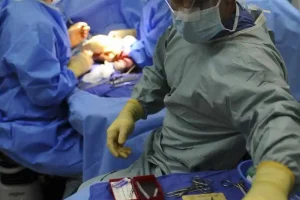
So, you’re thinking about gender-affirming surgery. Or maybe you’re just starting to research. Honestly, it can feel like standing at the base of a mountain — exciting, but also a little overwhelming. That’s okay. This journey is deeply personal, and it’s not just about the surgery itself. It’s about the whole process: the conversations, the waiting, the healing, and the life that follows. Let’s walk through it together, step by step.
First things first: the consultation phase
Before any scalpel touches skin, there’s a lot of talking. And I mean a lot. The initial consultation is where you and your surgeon get to know each other. It’s a bit like a first date, but with more medical history and less small talk.
During this visit, you’ll discuss your goals, your health, and your expectations. The surgeon will likely ask about your hormone therapy, mental health support, and any previous surgeries. They’ll also explain the specific procedures you’re interested in — whether that’s top surgery, bottom surgery, facial feminization, or something else. Don’t be shy about asking questions. Bring a list. Seriously. Write it down. You’ll forget half of it otherwise.
What you should ask at the consultation
- How many of these procedures have you performed?
- What are the realistic outcomes — and the risks?
- What’s the recovery timeline like?
- Will I need multiple surgeries?
- How does scarring typically look?
And here’s a little secret: it’s okay to get a second opinion. In fact, it’s smart. This is your body, your journey. You want a surgeon who listens, not just one with a flashy website.
Getting ready: pre-operative steps
Once you’ve chosen a surgeon and scheduled a date, the real prep begins. This phase can feel like a marathon of paperwork, blood tests, and letters of readiness. Most surgeons require at least one letter from a mental health professional — sometimes two. It’s not about gatekeeping; it’s about ensuring you’re emotionally prepared.
You’ll also need to stop smoking (if you do), adjust medications, and maybe even pause hormone therapy for a bit. Yeah, that last one can be tough. But it’s usually temporary, and it reduces the risk of blood clots during surgery. Your care team will guide you through every tweak.
Oh, and don’t forget the practical stuff. Stock up on easy-to-eat foods, loose clothing, and entertainment. You’ll be resting a lot — might as well binge that show you’ve been putting off.
The big day: surgery itself
Here’s the deal: surgery day is a blur. You’ll check in, meet the anesthesia team, and maybe have a last-minute chat with your surgeon. Then — poof — you’re out. When you wake up, you’ll be in recovery, groggy and sore. That’s normal.
Depending on the procedure, you might stay in the hospital for a day or two. For top surgery (chest reconstruction), many people go home the same day. For bottom surgery, expect a longer stay — sometimes a week or more. The nurses will help with pain management, drains, and wound care. Trust them. They’ve seen it all.
A quick note on drains and dressings
Drains are annoying. They’re little tubes that collect fluid so you don’t swell up like a balloon. They’re temporary, but they can be uncomfortable. You’ll need to measure the output and empty them — your care team will show you how. It feels weird at first, but you get used to it. Honestly, it’s kind of satisfying to see the numbers drop each day.
Early recovery: the first few weeks
This is the part nobody glamorizes. Recovery is messy, exhausting, and sometimes emotional. You’ll have restrictions — no lifting, no driving, no strenuous activity. For top surgery, you might not be able to raise your arms above your head for a while. For bottom surgery, you’ll likely have a catheter and strict bed rest.
Pain levels vary. Some people describe it as a deep ache; others say it’s more like intense pressure. Either way, take your meds on schedule. Don’t try to be a hero. And hydrate. Seriously, water is your best friend right now.
You’ll also have follow-up appointments to check healing, remove stitches, and assess results. These visits are crucial. Don’t skip them, even if you feel fine.
Long-term aftercare: beyond the scars
Once the initial healing is done — usually around 6 to 8 weeks — you enter a new phase. This is where the real transformation begins. Scars will fade over months, sometimes years. Numbness might linger, or you might get weird zings of sensation as nerves reconnect. That’s all part of the process.
Long-term aftercare isn’t just physical. It’s emotional too. Some people feel a huge sense of relief and euphoria. Others experience a sort of “post-surgery blues” — a letdown after all the anticipation. Both are valid. If you’re struggling, reach out to a therapist or support group. You’re not alone.
Scar care and maintenance
Scars are a badge of honor, but they still need love. Silicone sheets, massage, and sunscreen are the holy trinity of scar management. Some people also use laser treatments later on. Talk to your surgeon about what’s right for your skin type.
| Stage | Timeline | Key focus |
|---|---|---|
| Immediate recovery | 0–2 weeks | Pain control, drain care, rest |
| Early healing | 2–6 weeks | Gradual movement, scar care start |
| Mid-term | 6 weeks–6 months | Return to activity, scar maturation |
| Long-term | 6 months–2 years | Final results, emotional adjustment |
Navigating complications and revisions
Let’s be real: not everything goes perfectly every time. Complications happen — infection, hematoma, asymmetry, or unsatisfactory results. It’s not a failure; it’s a possibility. Most issues are manageable with prompt care. And revisions? They’re more common than you’d think. Many people opt for a second procedure to refine results, especially after bottom surgery.
The key is to stay in close contact with your surgical team. If something feels off — pain that spikes, redness spreading, or just a gut feeling — call them. Don’t wait. Better safe than sorry.
Life after surgery: the real reward
Here’s the thing nobody tells you: the surgery itself is just a tool. The real reward is the life you build afterward. For many transgender people, gender-affirming surgery isn’t about becoming someone new — it’s about finally feeling at home in your own skin. That first time you look in the mirror and see you? That’s the magic.
But it’s not instant. Some days you’ll still feel awkward or unsure. That’s okay. Healing takes time — physically, emotionally, and socially. You might have to relearn how to dress, how to move, even how to be intimate. Give yourself grace. You’ve earned it.
Final thoughts (not a conclusion, just a pause)
The surgical journey for transgender and gender-affirming procedures is a winding road — full of highs, lows, and unexpected turns. From that first nervous consultation to the quiet triumph of long-term aftercare, every step matters. You’re not just undergoing a procedure; you’re reclaiming your story. And that’s something worth celebrating.